Looking for a full-time role · May 2027
I design hardware that tells you what the software is doing.
04 / 06 · Hardware UX
Parous
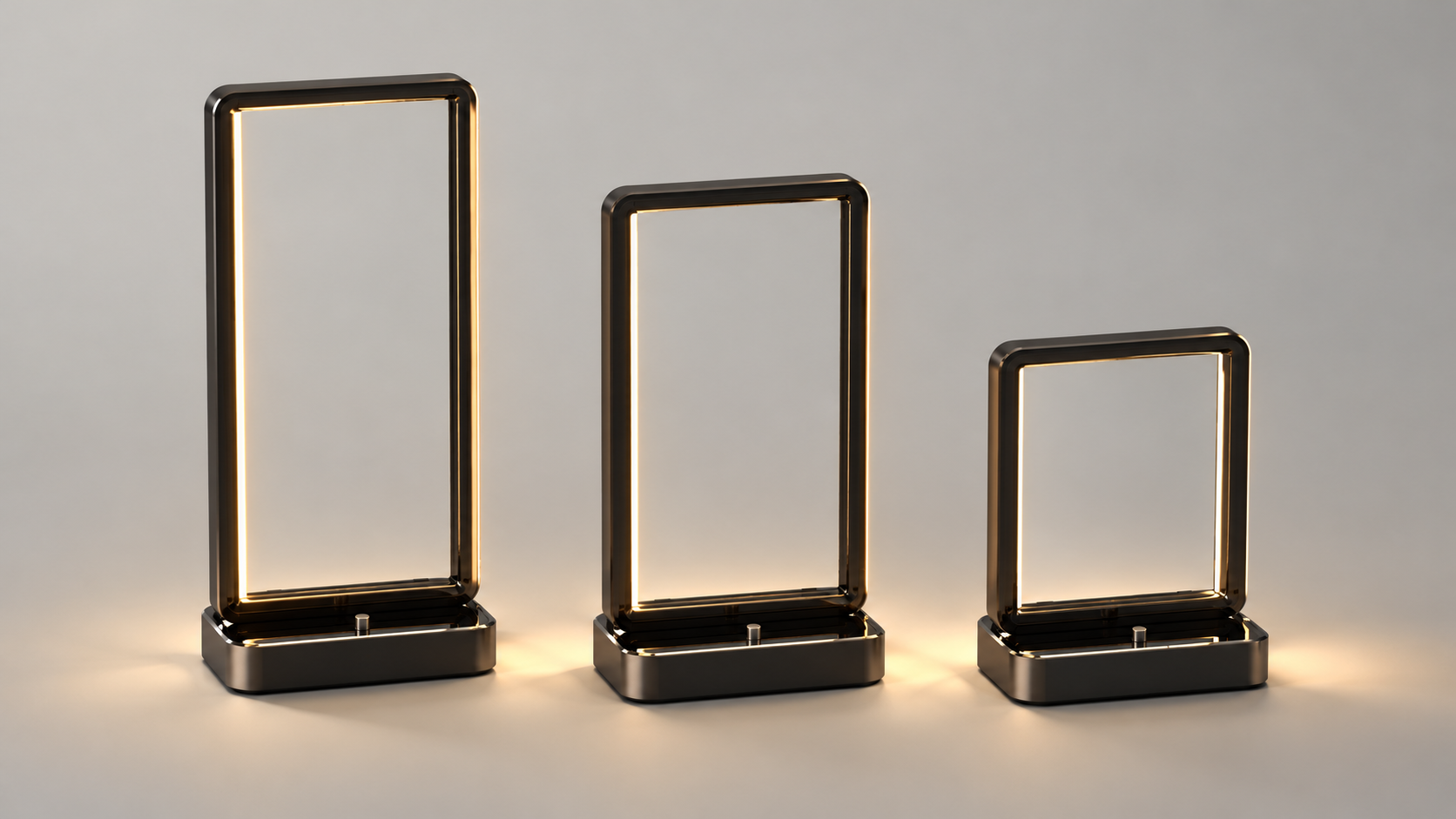
A desk task lamp that uses a time-of-flight sensor to read when you are working vs relaxing.
- Role
- Industrial and UX Designer (Solo)
- Context
- Lighting project · 6 weeks, Spring 2025
- You do
- Sit down, or walk away
- It does
- Cooler task light, then warm ambient light
01 / 06 · Capstone · Hardware UX
Pebble
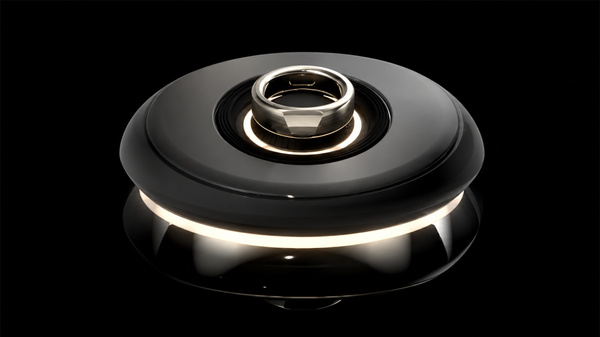
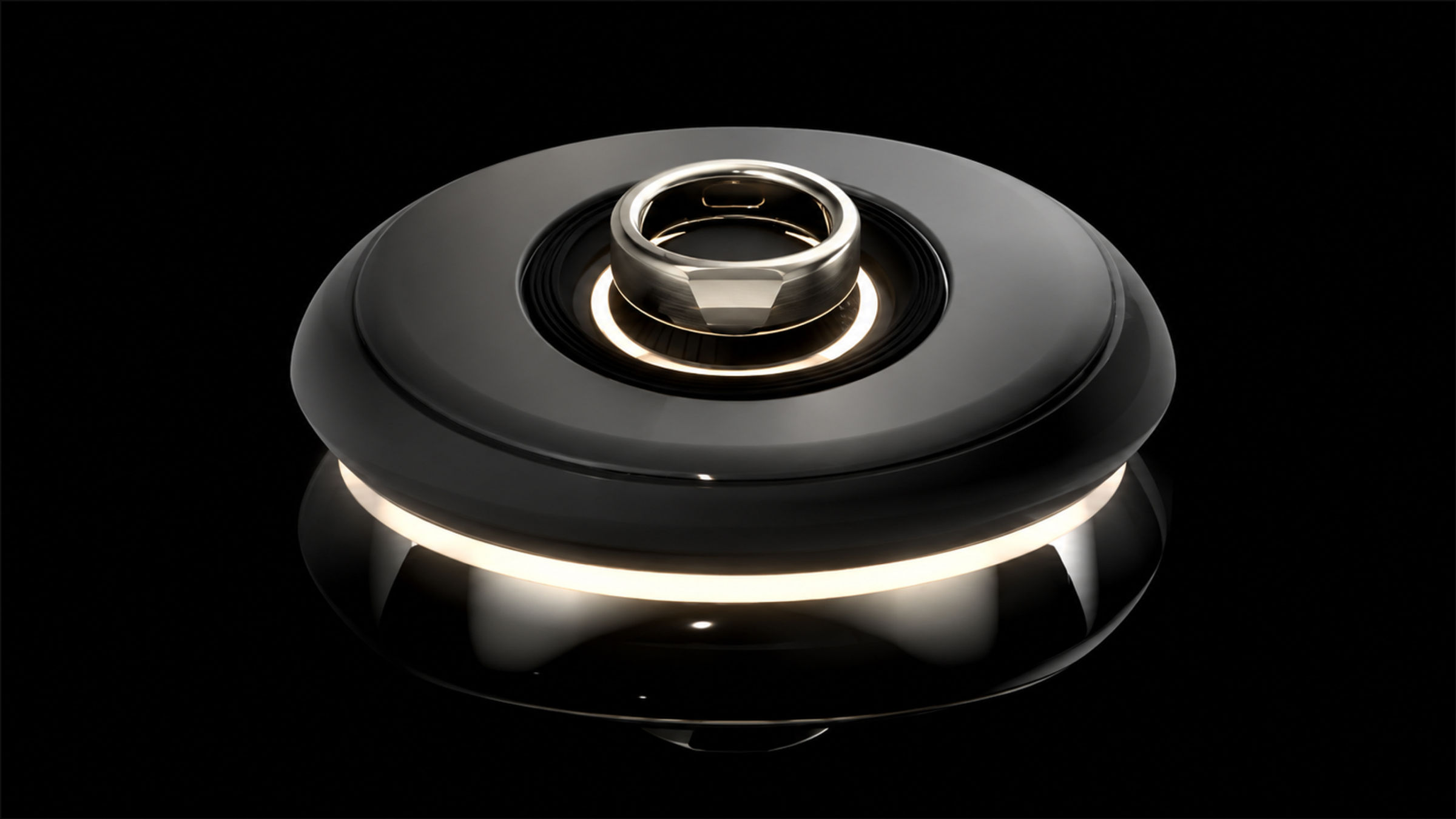
A ring you wear and a stone that stays home. Your room answers your body, without another screen.
- Role
- Hardware Interaction Designer · sole designer
- Context
- Industrial Design capstone · Fall 2026
- You do
- Dock the ring, tap or turn it
- It does
- Suggests a scene for your room, and changes nothing until you touch it

02 / 06 · UX internship
Google Pixel Wearables
Interaction models beyond the screen: a shared interaction vocabulary across the Buds, Watch and Phone.
- Role
- UX Interaction Design Intern · Summer 2026
- Context
- Pixel Buds Team
- You do
- Touch, voice or gesture
- It does
- Answers with earcons that mimic physical haptics